- $360 million Blast furnace slag accounted for about 50% of the tonnage sold
Slags are nonmetallic byproducts of many metallurgical operations and consist primarily of calcium, magnesium, and aluminum silicates in various combinations. Iron and steel slags are coproducts of iron and steel manufacturing. In the production of iron, the blast furnace is charged with iron ore, fluxing agents, usually limestone and dolomite, and coke as fuel and the reducing agent. The iron ore is a mixture of iron oxides, silica, and alumina. From this and the added fluxing agents molten slag and iron are formed. The physical characteristics such as density, porosity, and particle size, are affected by the cooling rates and chemical composition. Depending on the cooling method, three types of iron slag are produced— air cooled, expanded, and granulated— that have different types of applications.
| Salient Statistics | 2014 | 2015 | 2016 | 2017 | 2018 |
|---|---|---|---|---|---|
| Production (sales) | 16.6 | 17.7 | 15.7 | 16 | 16 |
| Imports for consumption | 1.8 | 1.5 | 2.0 | 2.1 | 2.2 |
| Exports | 0.1 | ||||
| Consumption, apparent | 16.5 | 17.7 | 15.7 | 16 | 16 |
| Price, average value, dollars per ton, f.o.b. plant | 19.00 | 19.50 | 22.00 | 25.00 | 26.00 |
| Net import reliance as a percentage of apparent consumption | 10 | 8 | 13 | 13 | 13 |
When making crude (or pig) iron and crude steel, slagging agents are added to strip impurities from the iron ore in the blast furnaces and from the crude iron and scrap steel feeds to the steel furnaces. The impurities and slagging agents combine to form iron and steel (ferrous) slags, which are tapped separately from the metals and which, after cooling and processing, primarily find a ready market in the construction industry. Data are unavailable on actual U.S. ferrous slag production, but it is estimated to have been in the range of 14 to 19 million tons in 2018. Domestic slag sales1 in 2018 amounted to an estimated 16 million tons, valued at about $470 million (ex-plant). Blast furnace slag accounted for about 50% of the tonnage sold and had a value of about $360 million; nearly 90% of this value was from sales of granulated slag. Steel slag produced from basic oxygen and electric arc furnaces accounted for almost all of the remainder.2 Slag was processed by about 25 companies servicing active iron and steel facilities or reprocessing old slag piles at about 140 processing plants (including some iron and steel plants with more than one slag-processing facility) in 30 States; included in this tally are some facilities that grind and sell ground granulated blast furnace slag (GGBFS) based on imported unground feed.
Prices listed in the table below are weighted averages (rounded) for iron and steel slags sold for a variety of applications. Actual prices per ton ranged in 2018 from a few cents for some steel slags at a few locations to about $100 or more for some GGBFS. Air-cooled iron slag and steel slag are used primarily as aggregates in concrete (aircooled iron slag only); asphaltic paving, fill, and road bases; and both slag types also can be used as a feed for cement kilns. Almost all GGBFS is used as a partial substitute for portland cement in concrete mixes or in blended cements. Pelletized slag is generally used for lightweight aggregate but can be ground into material similar to GGBFS. Owing to low unit values, most slag types can be shipped only short distances by truck, but rail and waterborne transportation allow for greater distances. Because of much higher unit values, GGBFS can be shipped longer distances, so much of the GGBFS consumed in the United States is imported.
Following removal of entrained metal, slag can be returned to the blast and steel furnaces as ferrous and flux feed, but data on these returns are incomplete. Entrained metal, particularly in steel slag, is routinely recovered during slag processing for return to the furnaces and is an important revenue source for the slag processors; data on metal returns are unavailable.
| Tariff Items | Number |
|---|---|
| Granulated slag | 2618.00.0000 |
| Slag, dross, scale, from manufacture of iron and steel | 2619.00.0000 |
The supply of blast furnace slag remains problematic in the United States because of the closure and (or) continued idling of some U.S. blast furnaces in recent years (including four in 2015, although at least one of these were restarted in 2018), the lack of construction of new furnaces, and the depletion of old slag piles.
Locally produced granulated blast furnace slag remained in limited supply because, at yearend 2018, granulation cooling was available at only two active U.S. blast furnaces. Installation of granulation cooling continued to be evaluated at a few blast furnaces, but it remained unclear if this would be cost-effective given the economic uncertainties in operating blast furnaces. Pelletized blast furnace slag was in very limited supply (one site only), and it was uncertain if any additional pelletizing capacity was planned. Domestic grinding of granulated blast furnace slag was only done by cement companies.
Basic oxygen furnace steel slag from domestic furnaces also has become less available recently because of the closure or idling of several integrated iron and steel complexes, although the existence at many sites of large slag stockpiles can allow for slag processing to continue even several years after the cessation of furnace operations. Nonetheless, the long-term supply of steel slag will increasingly rely on electric arc furnaces, which now contribute the majority of U.S. steel production. Domestic- and import-supply constraints appear to have limited domestic consumption of GGBFS in recent years. Although prices have increased, sales volumes for GGBFS have not matched the relative increases that have characterized the overall U.S. cement market since 2010. Long-term demand for GGBFS likely will increase because its use in concrete yields a superior product in many applications and reduces the unit carbon dioxide (CO2) emissions footprint of the concrete related to the portland cement (clinker) content.
Recent regulations to restrict emissions of CO2 and mercury by coal-fired powerplants, together with powerplant closures or conversion of others to natural gas, have led to a reduction in the supply of fly ash in some areas, including that of material for use as cementitious additive for concrete, with the result that fly ash imports have increased. Fly ash shortages have the potential to increase future demand for GGBFS, but the availability of granulated slag will increasingly depend on imports, either of ground or unground material. Imported slag availability may be constrained by increasing international demand for the same material and because not all granulated slag produced overseas is of high quality. Restrictions on mercury emissions by cement plants enacted in 2015 may reduce demand for fly ash as a raw material for clinker manufacture, and this could lead to use of air-cooled and steel slags as replacement raw materials.
Slag is not a mined material and thus the concept of reserves does not apply to this mineral commodity. Slag production data for the world are unavailable, but may be estimated as equivalent to 25% to 30% of crude (pig) iron production and steel furnace slag as about 10% to 15% of crude steel output. On this basis, it is estimated that global iron slag output in 2018 was on the order of 300 million to 360 million tons, and steel slag about 190 million to 290 million tons.
In the construction sector, ferrous slags compete with natural aggregates (crushed stone and sand and gravel) but are far less widely available than the natural materials. As a cementitious additive in blended cements and concrete, GGBFS mainly competes with fly ash, metakaolin, and volcanic ash pozzolans. In this respect, GGBFS reduces the amount of portland cement per ton of concrete, thus allowing more concrete to be made per ton of portland cement. Slags (especially steel slag) can be used as a partial substitute for limestone and some other natural raw materials for clinker (cement) manufacture and compete in this use with fly ash and bottom ash. Some other metallurgical slags, such as copper slag, can compete with ferrous slags in some specialty markets, such as a ferrous feed in clinker manufacture, but are generally in much more restricted supply than ferrous slags.
Get an instant offer on your damaged car

Get an offer instantly
Just tell us a bit about your car and boom, there's your offer.

Free pickup
You have seven days to accept our offer and schedule pickup.

Get paid on the spot
Our pickup partner will do a quick inspection, and hand you a check.
More from Metals
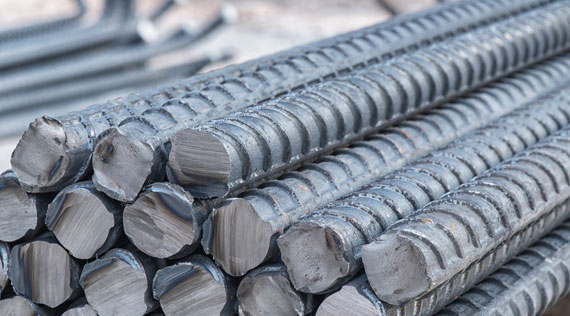
- 39% increase in Turkey’s exports of iron and steel in 2018.
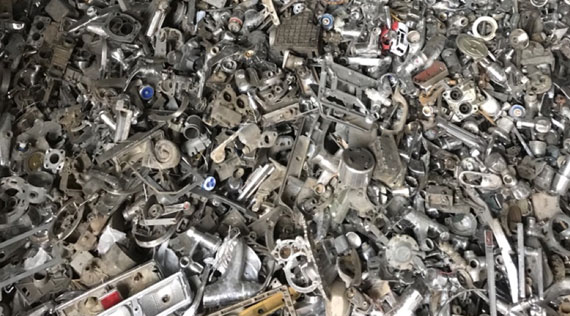
- 371211 Metric Tons Zinc Scrap exported in 2015
- 371164 Metric Tons Zinc Scrap exported in 2016
- 327188 Metric Tons Zinc Scrap exported in 2017
- 371211 Metric Tons Zinc Scrap imported in 2015
- 371164 Metric Tons Zinc Scrap imported in 2016
- 326431 Metric Tons Zinc Scrap imported in 2017
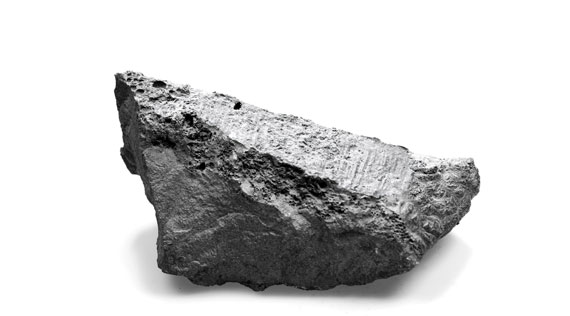
- 137506 Metric Tons Nickel Products exported in 2015
- 136236 Metric Tons Nickel Products exported in 2016
- 122902 Metric Tons Nickel Products exported in 2017