Single-Use Plastics Ban Removes More Than 13.3 Million Bags from Waste Stream in Sayreville Each Year
Plastic Recycling | 2024-02-08 11:24:12
These progressive laws have also reduced plastic bag litter by one-third or more and encouraged the use of more sustainable options.
 By Paul Ploumis
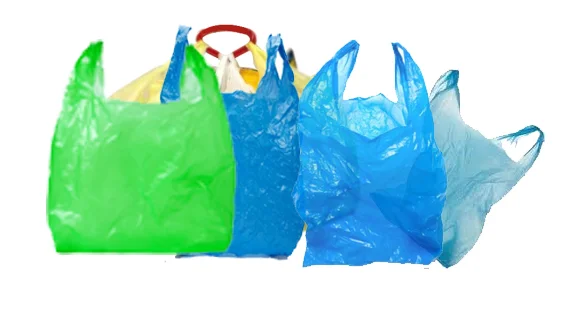
SEATTLE (Scrap Monster): A hyperlocal study of New Jersey's single-use plastic bag ban shows there are now 13,365,408 million less bags generated by Sayreville residents each year following the enactment of the law on May 4, 2022.
Those bags would stretch 2,319 miles if laid side by side, saving 67,316 gallons of oil used to produce them, according to Environment America, a national network of 30 state environmental groups. The statistics are based on Sayreville’s population of 45,123 residents.
“It is obvious that New Jersey’s well-designed single-use plastic bag ban has successfully reduced plastic bag use and associated litter and pollution,” said JoAnn Gemenden, executive director, New Jersey Clean Communities Council. “When I drive around or go shopping, it’s rare for me to see a single-use bag blowing in the wind or discarded in a shopping cart. Because of this law, New Jersey has considerably less visible litter.”
Elyse Barone, the Recycling and Clean Communities Coordinator, said she has noticed a difference since the bag ban took effect.
“At our last cleanup in Kennedy Park, we didn’t find any plastic bags among the litter we picked up,” she said. Nobody had to climb any trees, or fish any bags out of the lake. I do believe the ban has helped keep Sayreville cleaner.”
Sayreville Mayor Kennedy O’Brien said the credit goes to Barone and her staff for their tireless work. “Elyse is a crusader to make Sayreville litter-free, safe and environmentally sound,” he said.
Plastic Bag Bans Work, a report released Jan. 18 by the U.S. PIRG Education Fund, Environment America Research & Policy Center and Frontier Group, estimates that, on average, plastic bag bans can eliminate almost 300 single-use plastic bags per person, per year.
Bag bans in New Jersey and four other states or cities (Vermont; Philadelphia; Portland, Ore.; and Santa Barbara, Calif.) have cut single-use plastic bag consumption by about 6 billion bags per year. That’s enough bags to circle the earth 42 times, reports Environment America.
These progressive laws have also reduced plastic bag litter by one-third or more and encouraged the use of more sustainable options.
“The bottom line is that plastic bag bans work,” Gemenden said. “Through the education provided through our Litter Free NJ campaign, New Jerseyans are now accustomed to bringing reusable bags when they shop, resulting in less waste and litter.”
As of 2021, more than 500 cities and towns across 28 states had a plastic bag ordinance in effect. Ten states – California, Connecticut, Delaware, Hawaii, Maine, New Jersey, New York, Oregon, Vermont and Washington – had some form of statewide ban on single-use plastic bags as of 2023 and bans in Colorado and Rhode Island went into effect on the first day of 2024.
In communities throughout New Jersey, the benefits of the law are evident. No longer are bags stuck in landscaping, sitting in gutters or floating in local creeks. Local DPW workers no longer need to put such a concentrated effort into litter patrols.
“I’m glad New Jersey lawmakers have decided to ban this ubiquitous yet completely unnecessary product in many of the stores where we shop,” Gemenden said. “We are seeing real results.”
Courtesy: www.tapinto.net