Chinese steel consumption boom over: BHP Billiton
Metal Recycling News | 2012-10-22 10:20:47
Chinese steel consumption has peaked and will progressively decline as the country moves from an investment-led to a consumer-led economy, said Marius Kloppers, CEO of multinational resource group BHP Billiton.
 By Paul Ploumis
LONDON (Scrap Monster): Chinese steel consumption has peaked and will progressively decline as the country moves from an investment-led to a consumer-led economy, said Marius Kloppers, CEO of multinational resource group BHP Billiton.
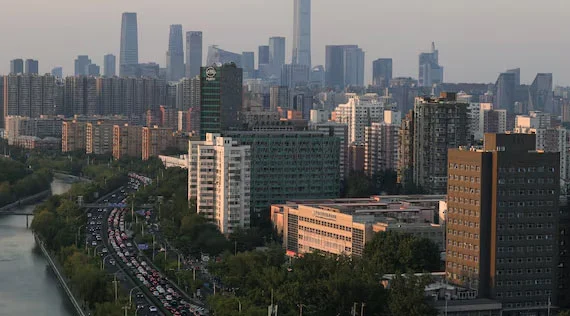
In the past decade, over 200 million people in China have moved from rural to urban areas, driving demand for commodities such as coal and iron ore, and materials such as cement and steel, which are needed to build roads, buildings and railways
"To illustrate the significance of this, we witnessed a tripling of per capita steel consumption in the last decade from 150-450kg/capita," Kloppers said at the Brisbane Mining Club.
But the period of early-stage infrastructure has peaked, according to the CEO. "We will continue to see per capita consumption of steel growing, albeit at a slower rate, as steel intensity of GDP declines," Klopper said.
As a key steelmaking ingredient, iron ore consumption will be affected by this trend. The company is expecting growth in the global iron ore market to slow to 650Mt this decade, down from 800Mt in the past 10 years, but the slower growth still represents "a very substantial opportunity."
At the beginning of the Chinese industrialization boom, miners were not producing enough to meet demand. The supply shortage not only drove prices up, but also prompted increased investment in the industry.
"What we are now witnessing is the rebalancing of supply and demand and a progressive recalibration of prices back to long-term, sustainable pricing levels," Kloppers said.
The record prices of the past decade will not be there to support returns over the next 10 years, according to the CEO, and therefore production at any cost will be replaced by a greater attention to lowering costs and increasing productivity.
China's growth over the past decade involved new cities, buildings, roads, housing and other general infrastructure to support the massive urbanization trend. "As these cities and buildings are completed and as people continue moving to the cities, their future needs will include the next level of consumer goods being kitchen appliances, heating and air-conditioning, cars, and so on," Kloppers said.
The transition to a consumption-based economy will also increase demand for commodities such as copper, energy and aluminum. "As the middle class continues to grow, better diets will also imply a higher demand for commodities such as potash," the CEO added.
In the quarter ended September 30, the iron ore division, which is the main driver of the company's earnings, saw production rise 1% year-on-year to 39.8Mt, and BHP remains on track to increase output by 5% to 183Mt in the financial year ending June 2013.
Copper output rose 24% in the September quarter year-on-year to 273,900t.